Blog

Sustainable Clothing Manufacturing: A Complete Guide for Fashion Brands
Sustainable clothing manufacturing aims to reduce the environmental and social impacts of apparel production through the use of environmentally responsible materials, ethical labor practices, efficient resource management and waste reduction techniques.

Clothing Quality: How to Identify High-Quality Garments
Clothing quality is one of the most important factors influencing how a garment looks, feels, performs and lasts over time. While design and style often attract attention first, the quality of the materials and manufacturing processes ultimately determines how well clothing performs during everyday use.
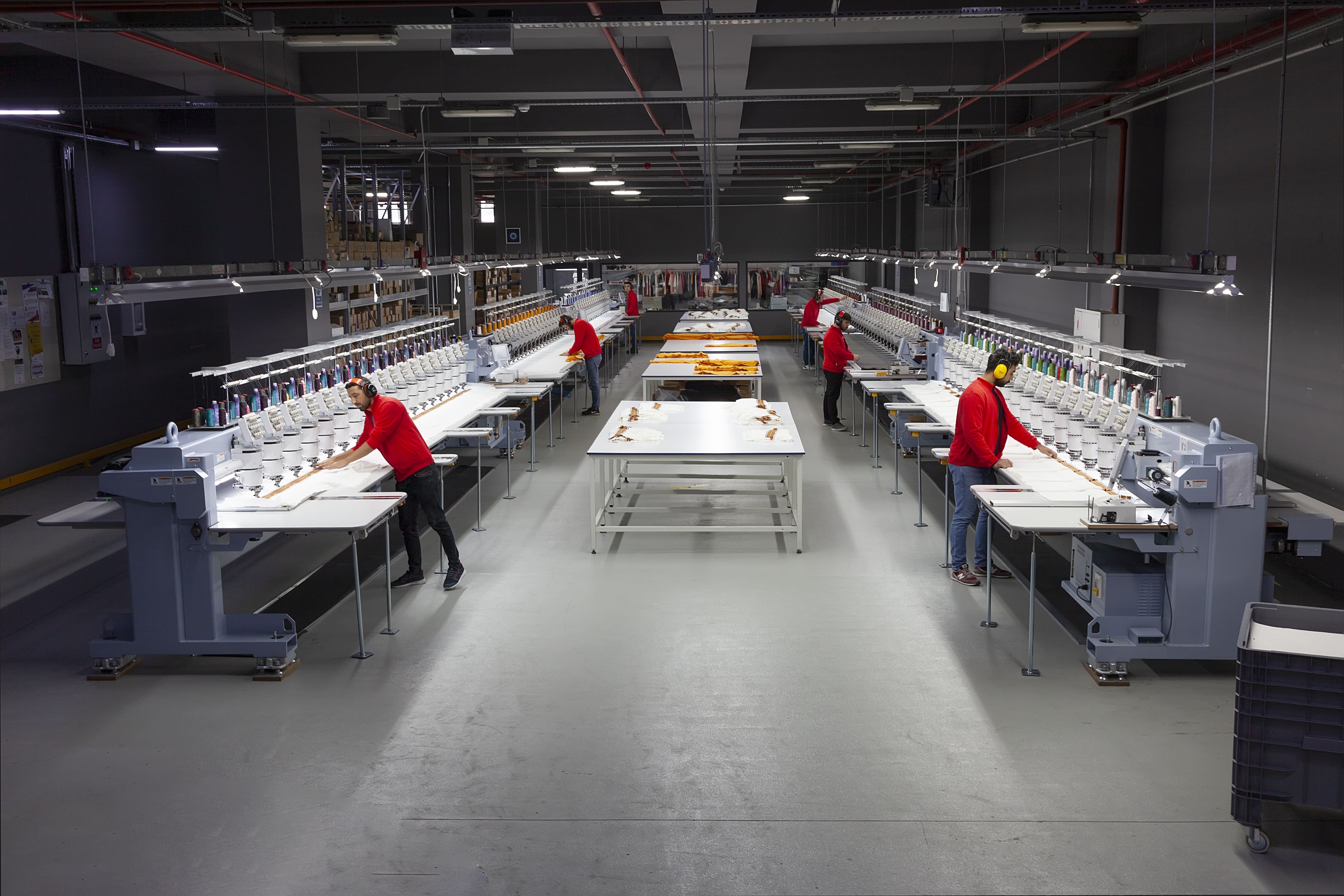
Apparel Manufacturing in Turkey vs Egypt: What Should Brands Consider?
Choosing the right manufacturing location is an important decision for fashion brands seeking to balance product quality, production costs, delivery schedules, and supply chain reliability.
For brands sourcing apparel for European and international markets, clothing manufacturing in Turkey vs Egypt is an increasingly relevant comparison.
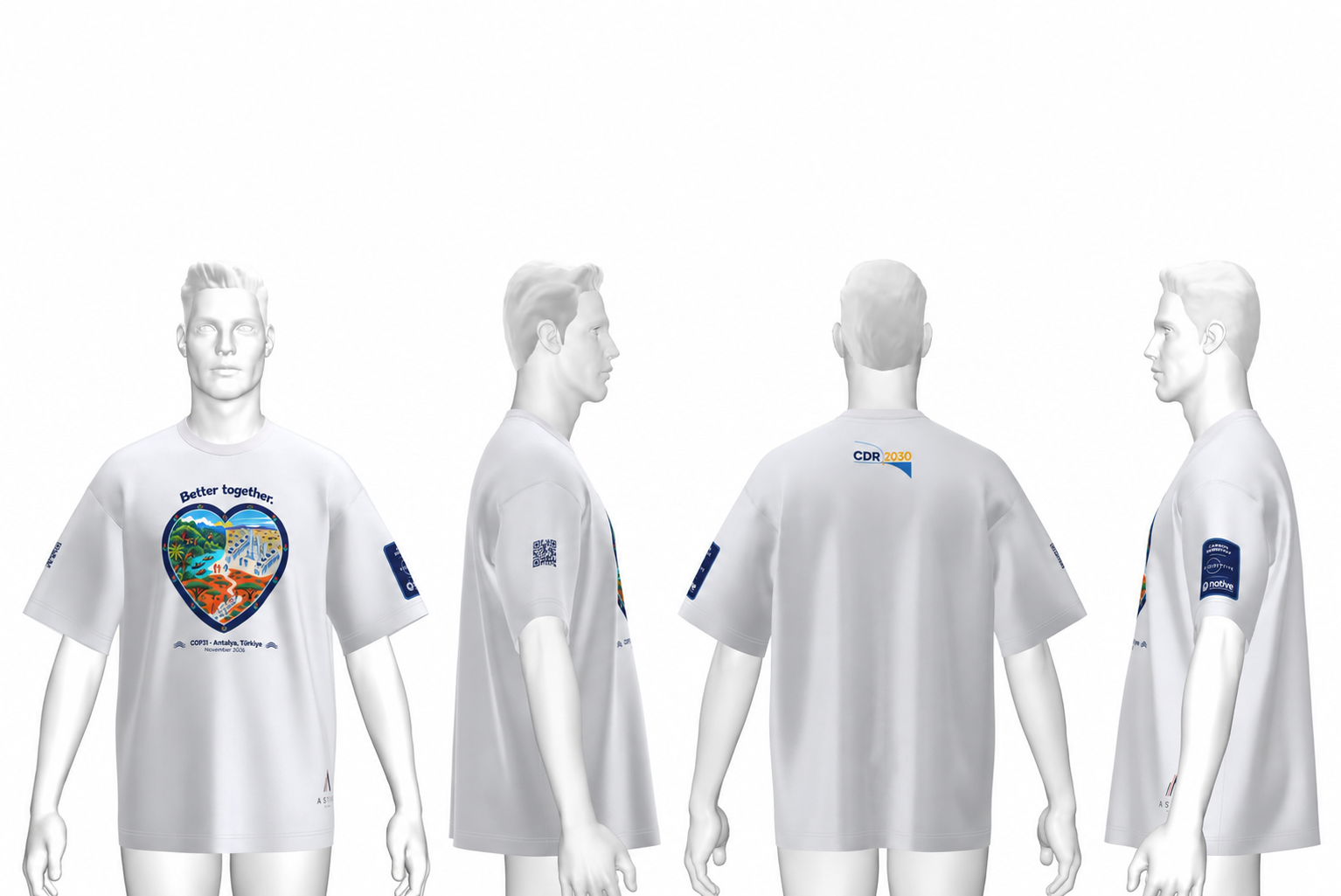
What Is the EU Digital Product Passport for Textiles?
Transparency is becoming an increasingly important part of the global textile and apparel industry. Fashion brands need reliable information about the materials used in their products, the processes involved in manufacturing, and the opportunities for reuse, repair, and recycling.
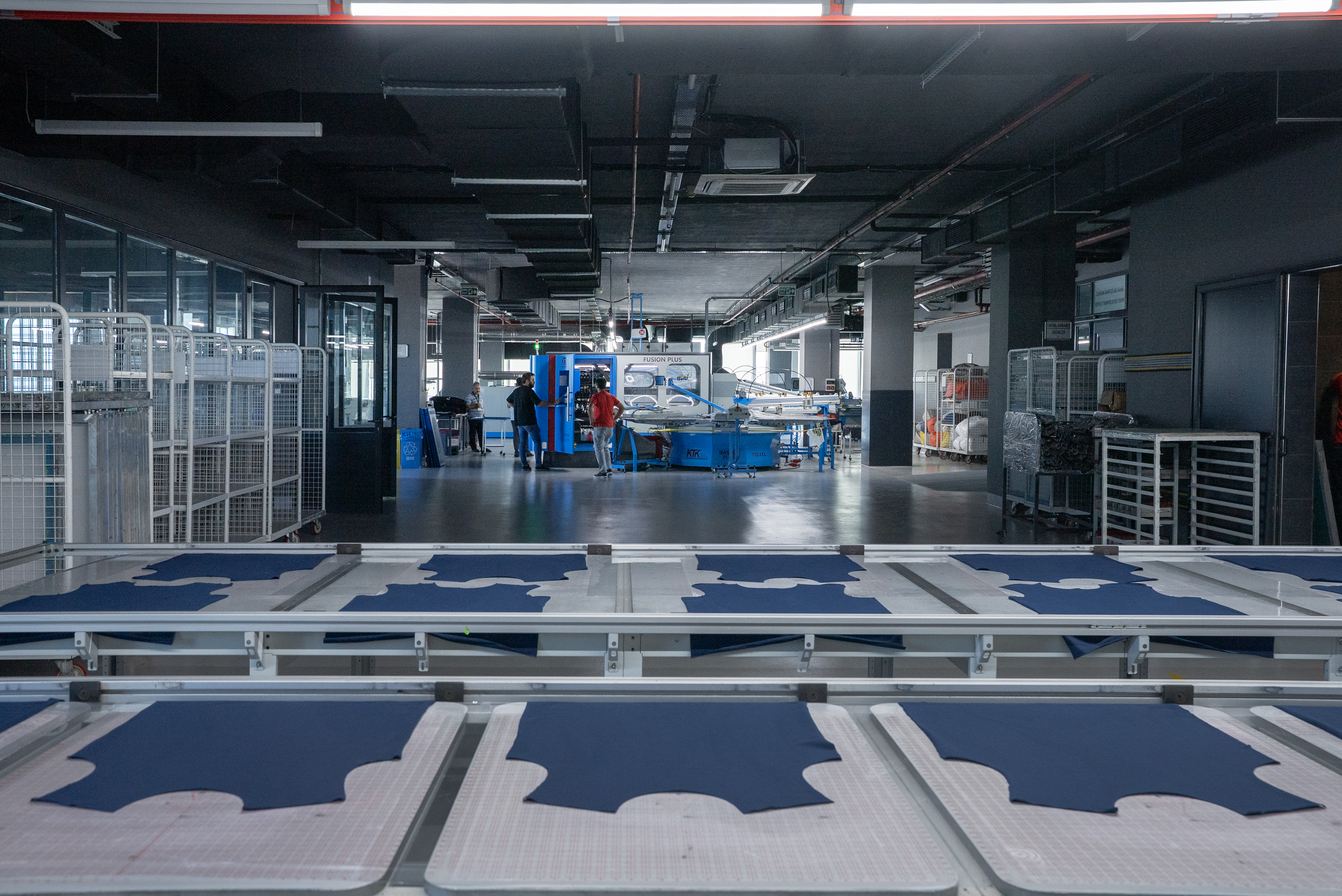
Understanding bluesign Certification in Textile Manufacturing
Sustainability has become an important consideration for fashion brands evaluating their textile and apparel supply chains. Beyond selecting materials and finished products, companies increasingly need to understand how textiles are manufactured, which chemicals are used, and how environmental and workplace risks are managed.
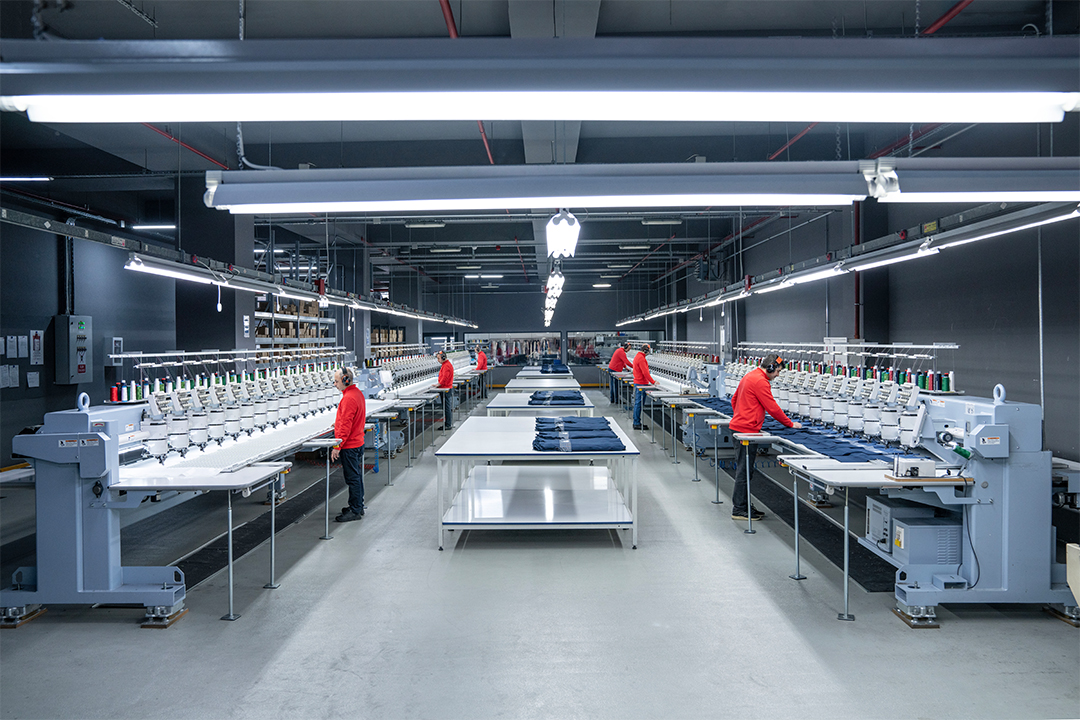
What Is Vertical Integration in Apparel Manufacturing?
The apparel industry operates through a complex network of fabric suppliers, manufacturers, product development teams, and logistics partners. For fashion brands, coordinating these different stages can be challenging, particularly when managing product quality, production schedules, and supply chain visibility.